Minimally Processed
Whole foods are as close to their natural state as possible. Grains, legumes, vegetables, fruits, nuts, and seeds in their recognisable form are the foundation of a whole-food diet.
Practical strategies, whole-food principles, and seasonal guidance to help you eat with intention and feel the difference in your daily energy and focus.
Every meal is an opportunity to give your body what it needs to function well. The quality, variety, and timing of your food choices influence everything from your energy and concentration to your long-term sense of well-being.
You do not need a rigid plan or a complicated protocol. What makes the difference is a consistent commitment to choosing whole, nourishing foods over heavily processed alternatives — one meal, one day at a time.
Ask Our Team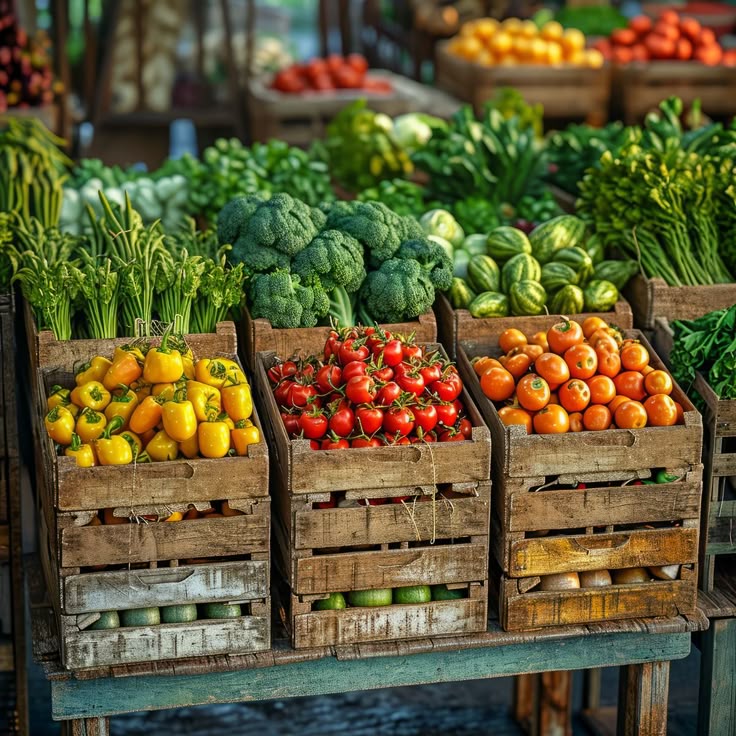
Understanding the fundamentals of whole-food eating helps you make confident choices in the supermarket, at home, and when eating out.
Whole foods are as close to their natural state as possible. Grains, legumes, vegetables, fruits, nuts, and seeds in their recognisable form are the foundation of a whole-food diet.
Foods with a high ratio of nutrients to calories — like leafy greens, legumes, and root vegetables — deliver more value per bite and support a fuller, more stable sense of energy.
A short ingredients list where every item is recognisable is a reliable indicator of a whole or minimally processed food. The simpler the ingredient list, the better the starting point.
Different colours in vegetables and fruits indicate different phytonutrients. Eating a wide colour range throughout the week helps ensure nutritional breadth in your daily intake.
Legumes, eggs, quality dairy, fish, and lean meats provide essential amino acids. Distributing protein throughout your meals helps maintain muscle, satiety, and steady energy.
Fats from avocado, olive oil, nuts, seeds, and oily fish play an essential role in brain function, hormone balance, and nutrient absorption. They are a key part of balanced eating.
A practical way to think about every meal is to consider the proportions of what fills your plate. This is not a strict formula — it is a flexible framework you can adapt to any cuisine or preference.
Mixed greens with roasted kumara, chickpeas, grilled salmon, and a drizzle of olive oil. Simple, satisfying, and nutritionally complete.
Brown rice, steamed broccoli and bok choy, a small portion of lean chicken or tofu, and a side of avocado. Flexible and easy to prepare.
Rolled oats with mixed berries, a tablespoon of nut butter, and a boiled egg on the side. Slow-release energy to begin the day well.
Seasonal eating is one of the simplest and most effective ways to improve the quality of your daily food choices.
Familiarise yourself with New Zealand's seasonal produce calendar. What grows in your region in each season gives you a reliable guide for fresher, more affordable choices.
Local markets connect you directly with seasonal produce. You get fresher food, often at lower prices, while supporting regional growers and reducing supply chain distance.
Once you have seasonal ingredients, build meals around them rather than buying specific ingredients for a fixed recipe. This flexible approach reduces waste and builds cooking confidence.
Understanding what to look for on a food label helps you distinguish between products that genuinely support your well-being and those that do not.
Small shifts in how you approach your weekly shop can meaningfully improve the quality of what ends up in your kitchen.
A simple meal plan and shopping list prevents impulse purchases and helps you stay on track with nutritional goals.
Fresh produce, proteins, and dairy typically line the outer aisles. Start there before moving to the inner shelves for staples.
Shopping while hungry leads to choices driven by immediate craving rather than genuine nutritional value. Eat first, then shop.
Having legumes, whole grains, canned fish, and quality oils on hand means you can always put together a nutritious meal even on a busy day.
Nutrition advice can be contradictory. Here we address some of the most frequently encountered misconceptions about everyday food choices.
No. Carbohydrates from whole grains, legumes, and vegetables are an essential energy source. The type and quality of carbohydrate matters — refined and whole grain options affect blood sugar very differently.
Healthy fats are essential. Unsaturated fats from avocados, olive oil, nuts, and oily fish are beneficial for heart and brain function. The concern is primarily with highly processed trans fats.
A varied whole-food diet provides most of what your body needs. Some people benefit from specific supplements in certain life stages or situations — consult a registered nutritionist for personalised guidance.
Connect with our team for personalised guidance, or explore how tracking your progress can help you build lasting nutritional consistency.